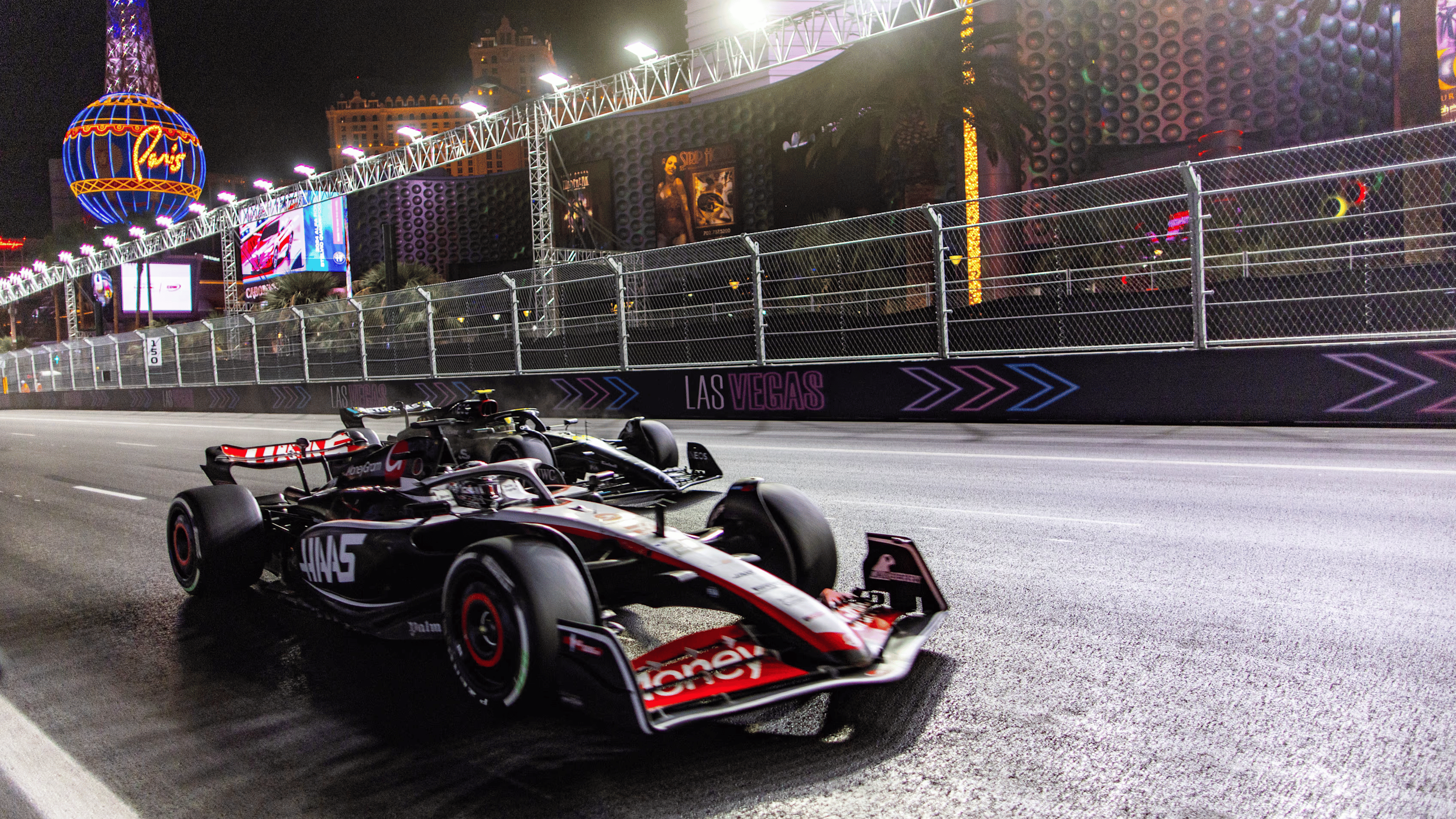
Brands took note. Racing has always been shameless about in-your-face sponsorships and partnerships, but it was in overdrive.
Gordon Ramsay is sponsoring a curated experience, there are
Sephora Glam Bars, LEGO unveiled a new
F1-themed collection, Disney is hosting a
"Fuel the Magic" experience—the partnerships are almost too numerous to count.
Jerry Olson, OZ's co-founder, sent this article about
the wave of global F1 popularity and what it has meant for brands. In 2017, F1's fan base was only eight percent female. Today, that number is up to 42 percent, driven largely by people ages 16 to 24.
F1 has always been glamorous and swanky, a playground for the affluent. But until recent decades it was legitimately terrifying. From the 1960s through the 1980s, safety measures were only a rumor, and dudes were killed in gruesome fashion on a fairly regular basis.
Racing still seems dangerous, and people enjoy that thrill. It is probably a huge part of the appeal. But actual danger is a turnoff. Only one driver has died from a race-weekend accident since 1994. Much like riding a rollercoaster, you want to feel like you're about to plummet to your death, but you don't want even a chance that it will actually happen.
Moreover, F1 has marketed itself brilliantly. The Netflix series
Drive to Survive has turned racers into personalities and attracted an entirely new audience to what had long been a niche sport, especially in the US. And the partnerships and sponsorships have built upon one another to increase F1's cultural cachet.
Jerry wonders if marketers are attaching themselves too wholeheartedly to what will ultimately be a passing fad, or if this is a trend that will last. In the era of economic belt-tightening, it's worth asking what the deeper appeal of F1 is, particularly to new, younger fans, because it seems to be meeting an important emotional need.
We can't say for certain without talking to fans, but few possibilities stand out. One is control. The rollercoaster thrill of danger you can feel but don't have to fear is a way to experience risk on your own terms at a time when much of life feels out of anyone's hands. Another is connection. Drive to Survive didn't sell racing so much as relationships: rivalries, loyalties, and people to root for. Those are long-standing human needs, and they don't go out of style.
That may be the best way to answer Jerry's question. Fads tend to ride on surface appeal, while lasting trends tap into something people need. If F1's new fans are there mostly for the glamour, the sponsorship boom could fade. If the sport is meeting a deeper need, brands that understand that need have a reason to stay.
Sponsorship is a way of borrowing meaning. A brand that attaches itself to F1 takes on whatever F1 means to its fans, so it matters a great deal what that is. Sephora and Gordon Ramsay are probably borrowing different things from the same race. Brands that know which meaning they're after can make choices that still pay off after the hype cools.
If your brand is betting on a cultural moment, we'd be glad to help you understand what it means to the people driving it.