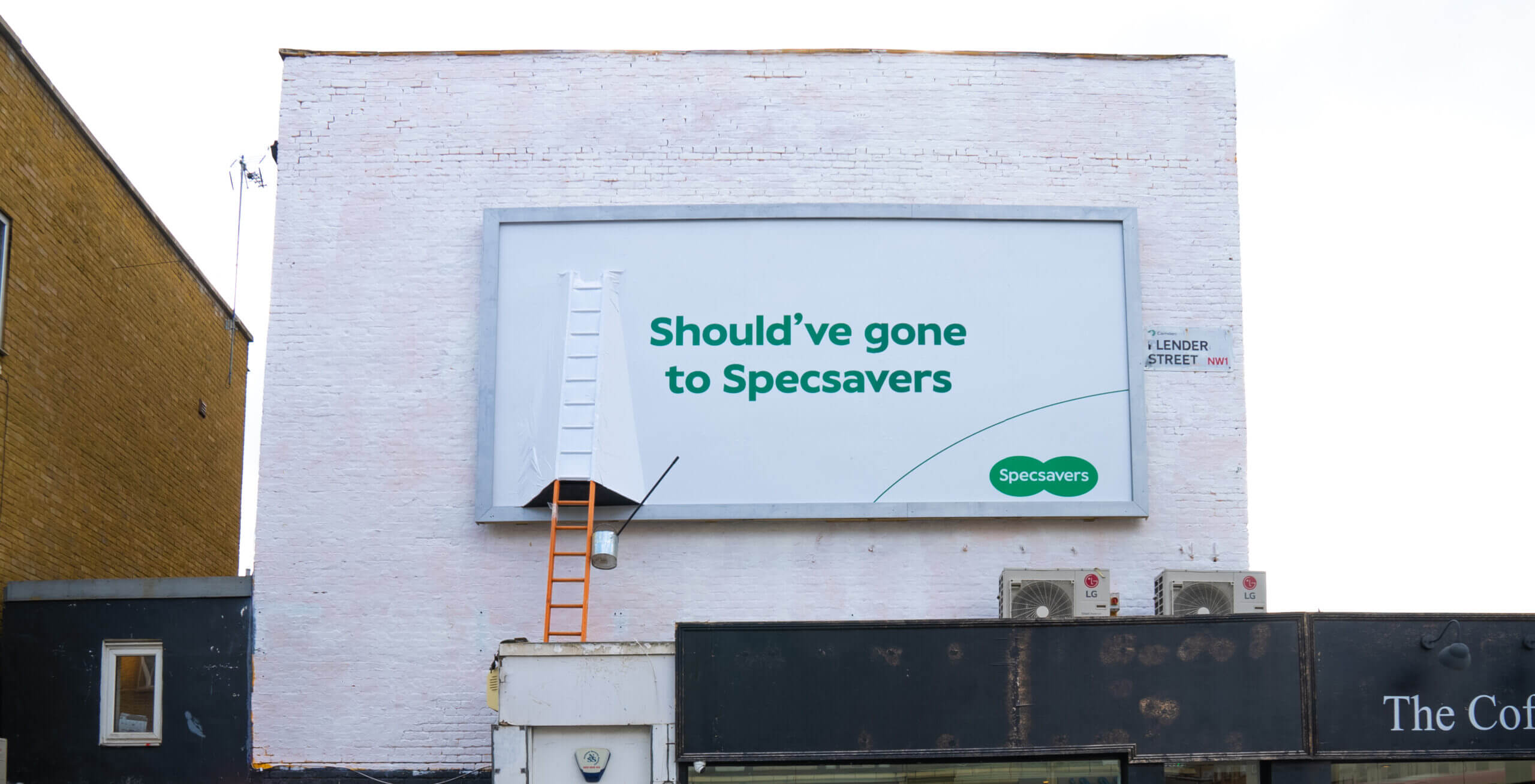
In the so-called “attention economy,” brands face the challenge of breaking through the noise of the market (and the internet) to get noticed. Sometimes, brands resort to marketing that feels a little edgier and more provocative. “Cringe marketing” refers to promotional strategies that elicit secondhand embarrassment among audiences.
From a neuroscience perspective, cringey content appeals to our brains. Like a car crash you can’t look away from, our attention is captured as our minds analyze a stimulus for a threat, a break in pattern, or a violation. In this case, what’s being “violated” are our social norms.
Hate-watching, or engaging in content that we actively dislike, allows viewers to elicit emotions that they’re looking to feel, like rage, even if those emotions are considered unpleasant. Psychologically, hate-watching can also help us feel superior about our own lives and choices or appeal to our sense of morbid curiosity.
Cringe marketing can be good for continued engagement and recall (we tend to remember things that elicit strong emotional reactions), but the associations it forms with brands can impact the bottom-line in the wrong way. When you play around with unpleasant emotions, you risk linking your brand to those emotions, which can damage reputation and affinity.
Brands should be cautious if their marketing is going to dip into this territory. A viral cringey moment might get clicks and views but fail to curry favor with consumers if it's offensive. But, when done well, an innocuous violation of a social norm can draw attention and feel humorous.
Unfortunately, the saying, “No press is bad press,” is just too simplistic when you’re looking at the way our brains work.