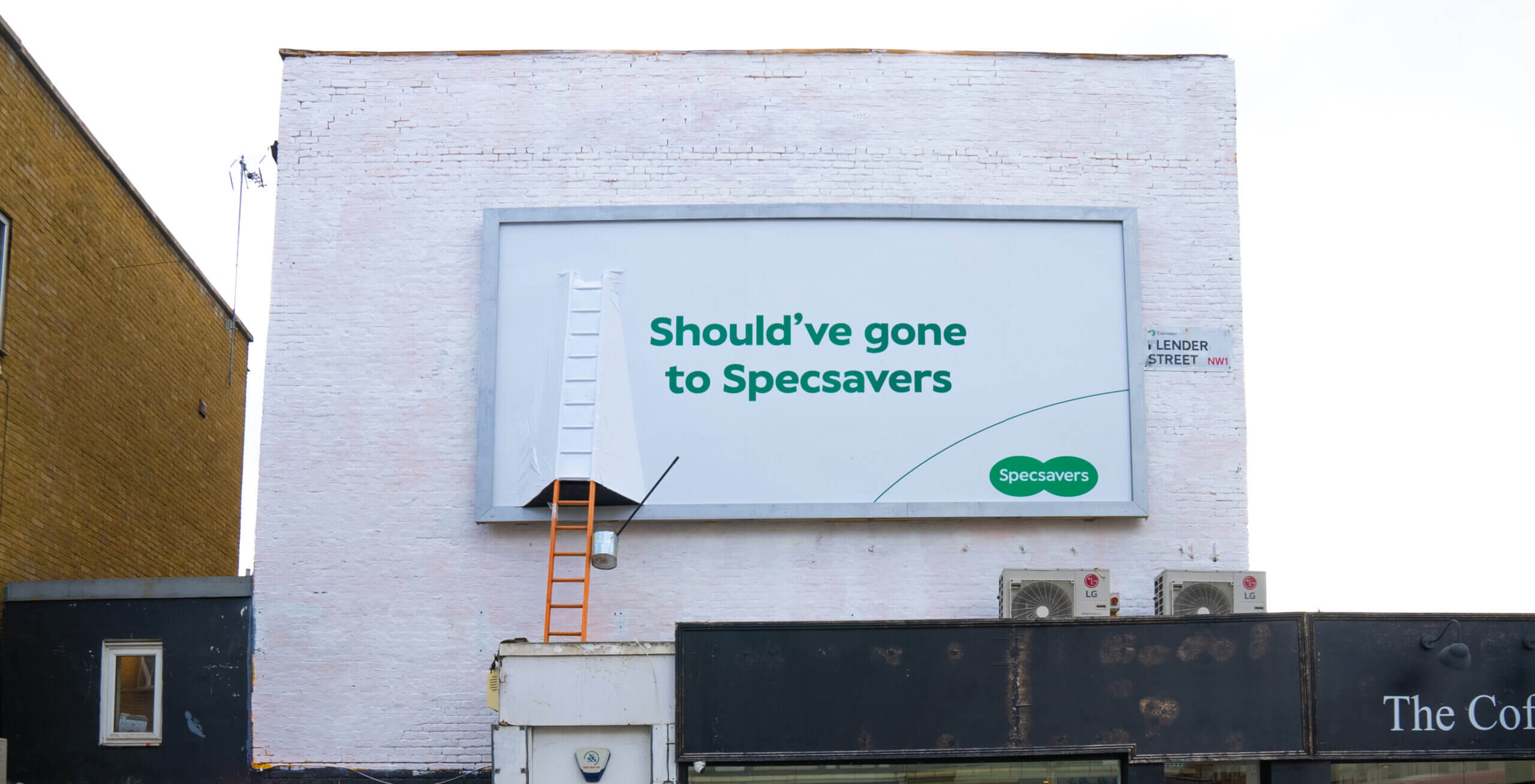
For more than 20 years, Specsavers has built its brand around the tagline
"Should've Gone to Specsavers." Its ads take a serious topic (vision loss) and make it funny. Each ad in the campaign features a humorous, absurd exaggeration of what can go wrong if you can't see well.
The "I Don't Go" campaign flips that tagline on its head, featuring people who don't go to Specsavers because...Specsavers comes to them, via home visits. The campaign generated a 32 percent increase in at-home visits and was responsible for £20 million in incremental profit.
There are several principles working below the surface in these campaigns:
- Present Bias. People care more about now than about the future, so it is important to give them a payoff now. The payoff in the Specsavers campaign is a hearty chuckle. You're probably not buying glasses today, but that chuckle will help you think of Specsavers tomorrow. Humor works in advertising—as long as the brand drives the humor.
- The Halo Effect. If you communicate one thing effectively, it carries over into other, unrelated brand characteristics. Specsavers doesn't say much about affordability or quality, but people perceive the brand as affordable and high quality because it is funny and likable. You don't have to communicate everything. You just have to communicate one thing really well.
- The Mere Exposure Effect. People not only like messages the more they are exposed to them, but they also find those messages more credible and believable. The "I Don't Go" ads wouldn't have worked without years of "Should've Gone to Specsavers" messaging seeping into the public consciousness. This suggests brands generally should stick with campaigns for far longer than they do.
To top it off, all of this is rooted in a basic and serious human truth—that better vision can be truly life-changing.



.png?width=4288&height=2848&name=image%20(2).png)